
Capability
Boulder · New Mexico · United Kingdom
Capabilities / Time synchronization
Time synchronization
Chip-scale timing accurate enough to hold networks and grids in step without a satellite.
The problem
Why this is hard
Distributed infrastructure runs on a shared idea of when. A power network decides which breaker opens by comparing measurements taken at different substations; a mobile network decides which base station owns which slot the same way. Almost all of them get that shared time from the same place: a satellite receiver on the roof. It is a single dependency shared by systems that were otherwise carefully made independent of one another, and it is reachable from outside the fence.
The answer
What the sensor does
An atomic reference small enough to sit inside the equipment cabinet changes the dependency into a preference. Each node keeps its own measure of time and stays inside tolerance on its own, so an outage on the roof becomes an inconvenience rather than an incident. The same part makes the network easier to reason about: a site that holds its own time can be audited on its own terms.
Applications
Example applications
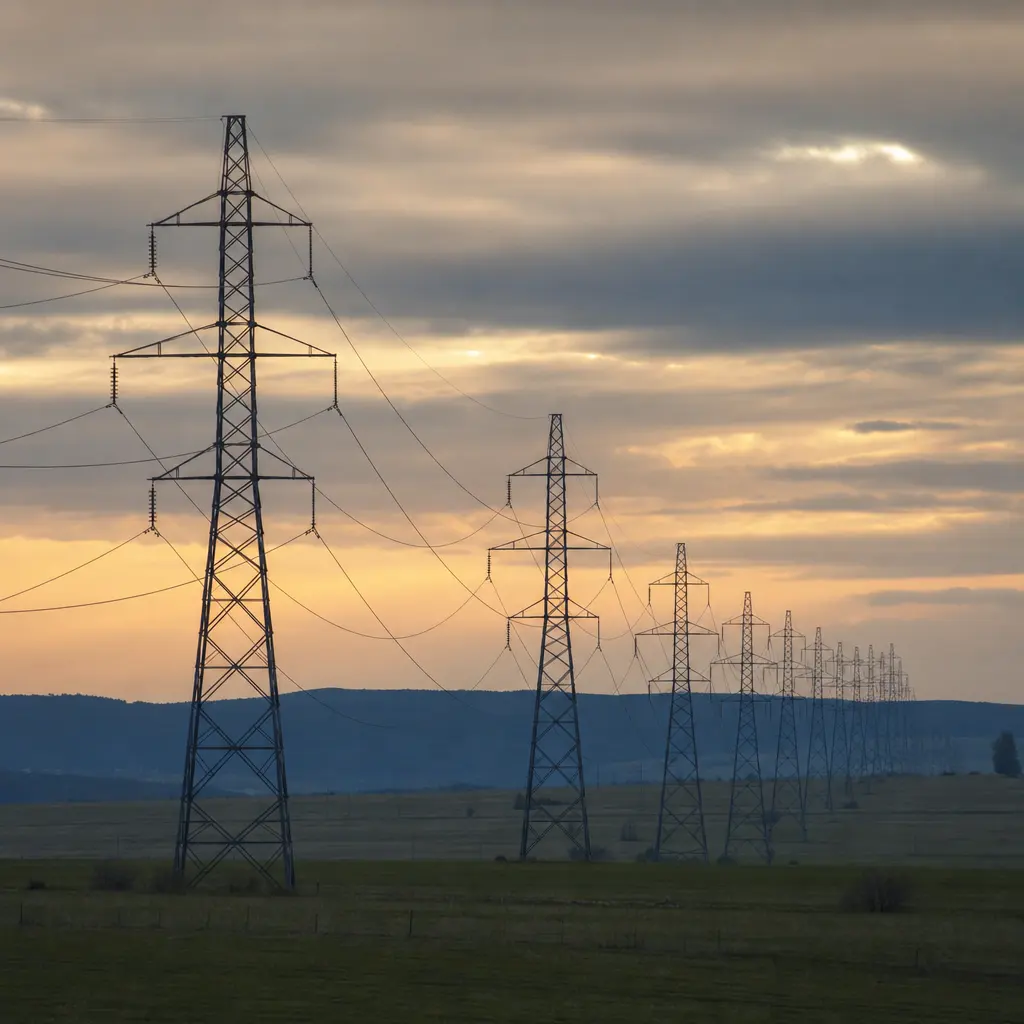
Grid synchronization
Protection and metering across substations stay comparable when the reference on the roof stops arriving.
Telecommunications
Base stations and transport equipment hold their allocation without a receiver in the loop.